 TrustATrader
Can Blinds Reduce Noise? What Works, What Doesn’t, And Why
Short answer: yes, blinds can help, but they won’t soundproof a room. Soft, dense fabrics absorb sound and calm echo. A well-fitted blind can also trim a little outside noise. Hard slats help least. Big reductions come from mass and airtight seals, which is why new glazing works best.
Think of two jobs. Absorption softens sound inside the room. Insulation blocks sound coming in. Blinds mainly absorb; they only insulate a bit. Layering is the smart move: a tight blind plus lined curtains or shutters. Seals matter too, just like they do for warmth (see our guide to energy saving benefits of modern blinds and blackout blinds and shading for tight-fit options). Best Blinds offers made-to-measure, free home visits, and friendly advice.
How Sound Gets Through A Window
Most everyday noise is airborne: voices, traffic hiss, wind. It comes through the glass and any tiny gaps around the frame. Low rumbles from lorries and bass travel through structures too, so frames and walls matter.
The basics are simple. More mass blocks more sound. Fewer gaps leak less. Soft window dressings reduce echo and can knock a few decibels off, which feels calmer. For large cuts, you need better glazing or secondary glazing. A neat, close fit on any blind helps, because smaller edge gaps mean fewer paths for noise to slip through.
Blinds That Help Most With Noise (Ranked By Impact)
Here’s what we’ve seen work best in UK homes, in order:
- Roman blinds with blackout or thermal lining. Dense fabric adds soft mass and sits close to the wall, which reduces echo and edge leakage.
- Pleated/honeycomb blinds, ideally in Perfect Fit frames. The cellular structure traps air and, in-frame, cuts side gaps. See our plain-English Perfect Fit guide.
- Blackout roller blinds with cassettes and side channels. These limit gaps and improve the seal, which helps more than standard rollers.
Day & Night/Dual Shade are great for softening echo but block less outside noise. Venetian and Vertical blinds use hard slats, so they help least with sound.
Layering That Works: Blinds + Curtains Or Shutters
Layers add mass and improve the seal. A quality blind plus well-fitted curtains with thermal interlining makes a noticeable difference to comfort and calm. The blind manages light and gaps; the curtains add weight and an extra air layer. Learn more in our guide to how thermal interlining can improve energy efficiency.
Prefer shutters? Pair a snug blind with plantation or PVC shutters to create a second barrier and a helpful air gap. Tier-on-tier gives flexible light and privacy control; café style is great for street-facing windows where top light still matters. Curtains or shutters alone are good. Together, they’re better.

This image was generated with AI and may not always represent the product or service exactly.
When Blinds Alone Won’t Fix The Problem
Busy roads, buses, bass, and late-night venues are tough. A blind helps, but it won’t silence them. Start with the window itself: check seals, close trickle vents when appropriate, and ensure the sash or casement pulls tight. Laminated or thicker glazing outperforms standard glass.
If you can, add secondary glazing for a bigger gain. Where drilling isn’t allowed, acoustic curtains over a snug blind can help and are easy to remove later. Combine improvements for best results: better seals + a tight blind + lined curtains or shutters.
Room-By-Room Recommendations
Bedrooms and nurseries: choose a cassette blackout roller or a lined Roman, then add interlined curtains or shutters for a quieter, darker sleep. Keep hardware robust and edges tight.
Home offices and studies: Pleated, Day & Night, or Dual Shade soften echo and improve call quality. If traffic noise is an issue, add curtains. Large glazing can also benefit from soft sheers to tame room reverb.
Lofts and skylights: use purpose-made skylight blinds, ideally blackout, fitted snug within the frame. In kitchens and bathrooms, moisture-safe fabrics reduce echo and won’t warp.
Fit Matters: Measuring And Installation For Quieter Results
A precise fit helps a blind do more. Outside-recess fitting can cover more wall and reduce edge leaks. Inside-recess fitting needs accurate width and drop to keep gaps small. Side channels and cassettes improve edges on rollers, and Perfect Fit frames keep pleated blinds snug to the glass.
Confident DIYers can follow our step-by-step guide: how to install window blinds. Prefer an easy life? Best Blinds offers a free home visit, exact measuring, and expert fitting. Motorisation adds convenience but doesn’t affect sound.
Materials, Care And Lifespan
Dense fabrics, blackout coatings, and thermal linings absorb more sound than thin weaves. If you want the most from a blind, pick quality cloth and a firm, well-balanced hardware set that holds its shape.
Choose moisture-safe options in kitchens and bathrooms to avoid warping. Keep dust off fabric and side channels with gentle, regular cleaning so performance stays steady and mechanisms stay quiet. Quality components tend to last longer and keep a smart, close fit.
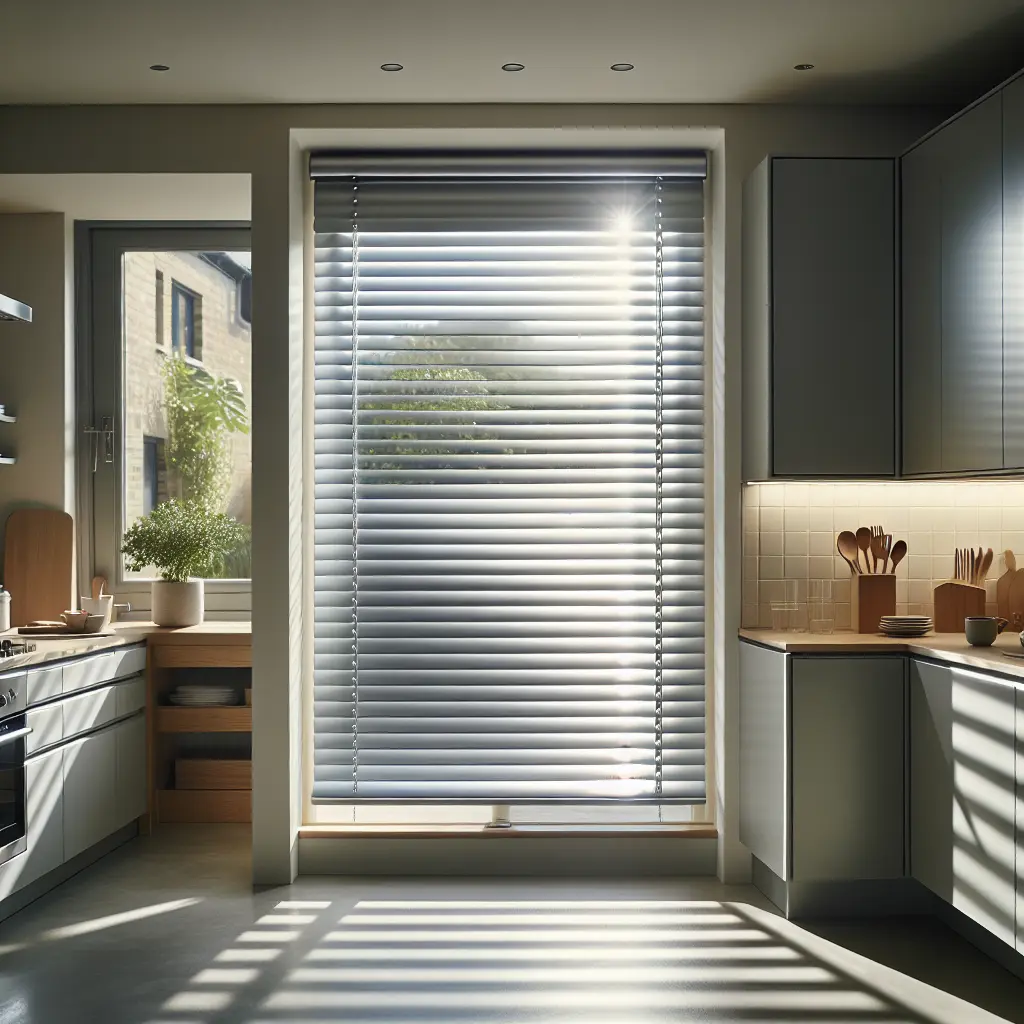
This image was generated with AI and may not always represent the product or service exactly.
Budget And Value: What To Expect
Made-to-measure fits better than ready-made, so it typically looks smarter and leaves smaller gaps. That improves light control and modest noise performance. Cheaper blinds may curl, flex, or leave gaps sooner; premium linings and hardware hold their line.
Supply-only suits confident DIY. Our full service gives you survey, advice, fitting, and aftercare. Best Blinds is competitive on price with quick lead times, and we’ll recommend what’s worth doing—and what isn’t—for your home and budget.
Quick Combinations That Work (Cheat Sheet)
- Traffic-facing bedrooms: cassette blackout roller + interlined curtains for fewer gaps and better sleep. See options under blackout blinds and shading.
- Calm and cosy: lined Roman + shutters for mass, control, and classic style.
- Echoey open-plan living: Day & Night or Dual Shade + curtains to soften reverb and glare.
- Rentals and no-drill: Perfect Fit pleated blinds for tight seals without holes; remove cleanly later.
Next Steps With Best Blinds
We’re a family-run team with 25+ years of local experience. Book a free home visit and we’ll check your windows, measure accurately, and bring samples so you can see and feel the fabrics.
Expect friendly advice, quick turnaround, expert fitting, and clear pricing. Ready to chat or book? Contact us today and let’s make your rooms calmer and more comfortable.
FAQs
How Much Noise Reduction Can I Expect From Blinds?
Blinds can soften echo and trim a little outside noise. Expect a small but noticeable improvement, not full soundproofing.
Will Lined Roman Blinds Make A Difference?
Yes. Dense fabric plus blackout or thermal lining adds soft mass and reduces edge gaps, which helps more than thin cloth.
Do Side Channels Really Help?
They reduce light and sound leakage at the edges. Paired with a cassette and a snug fit, they outperform standard rollers.
Are Shutters Better Than Blinds For Noise?
Shutters add mass and create an extra barrier. They work best layered with a tight blind or interlined curtains.
What’s Best If I Rent And Can’t Drill?
Perfect Fit pleated blinds clip to the frame for a snug, no-drill solution. Add curtains if you want extra softening.
Will Motorised Blinds Reduce Noise?
No. Motorisation is about convenience. Noise control comes from fabric, mass, and how well the blind seals the edges.