 TrustATrader
Choosing The Right Power For Your Motorised Blinds
Picture this: you’ve finished decorating the nursery, fitted blackout lining and a tasteful roller — but you don’t want trailing cords or disruptive wiring. Do you pick a battery motor, wire in a mains solution or try a slim solar panel? If you’re a UK homeowner, landlord or renovator weighing retrofit speed, neatness and long-term running costs, this guide helps you choose the right power type for each room.
In our experience at Best Blinds, the best choice balances daily use patterns, window orientation and how much disruption you’ll tolerate during installation. Read on for a clear comparison of noise, speed, upkeep, safety, typical costs and room-by-room recommendations — plus a quick checklist to use at survey time. For wiring basics see our explainer: do motorised blinds have to be plugged in.
Power Options: Battery, Mains And Solar
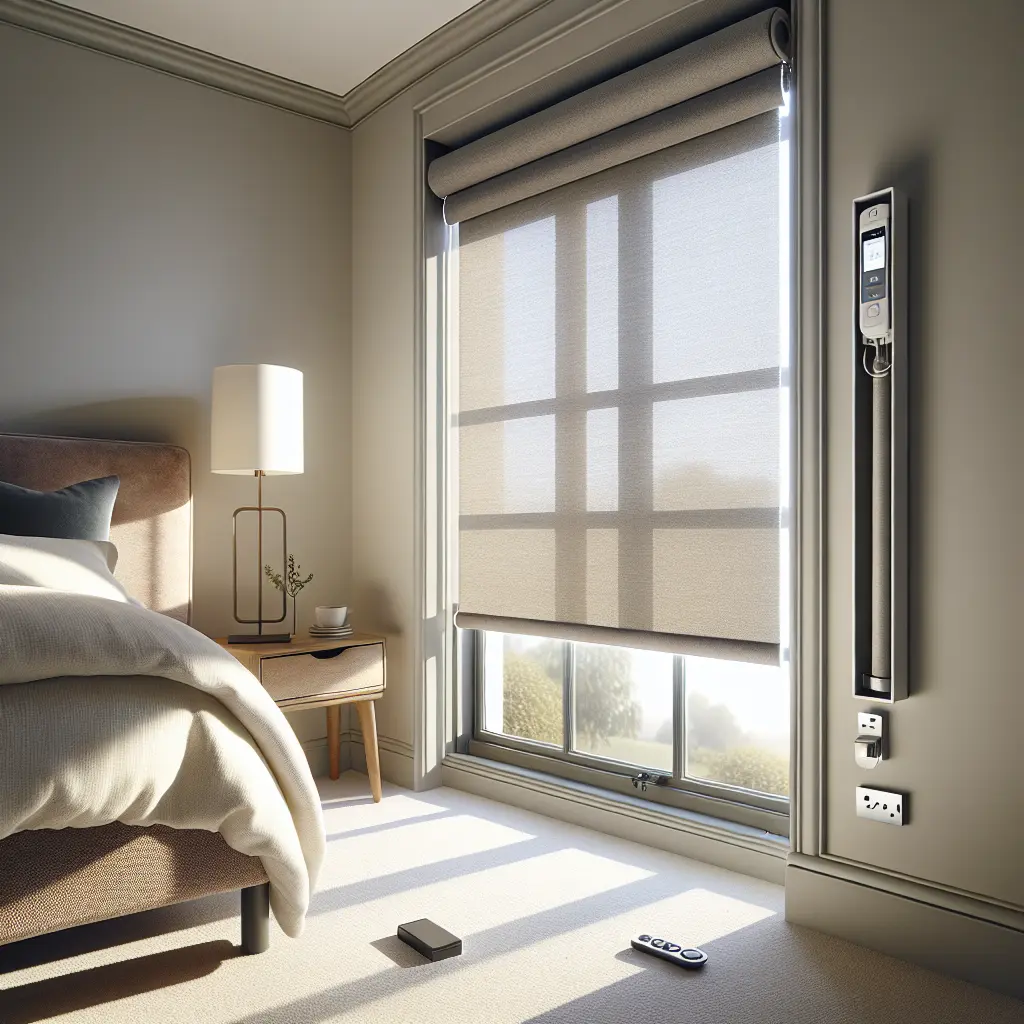
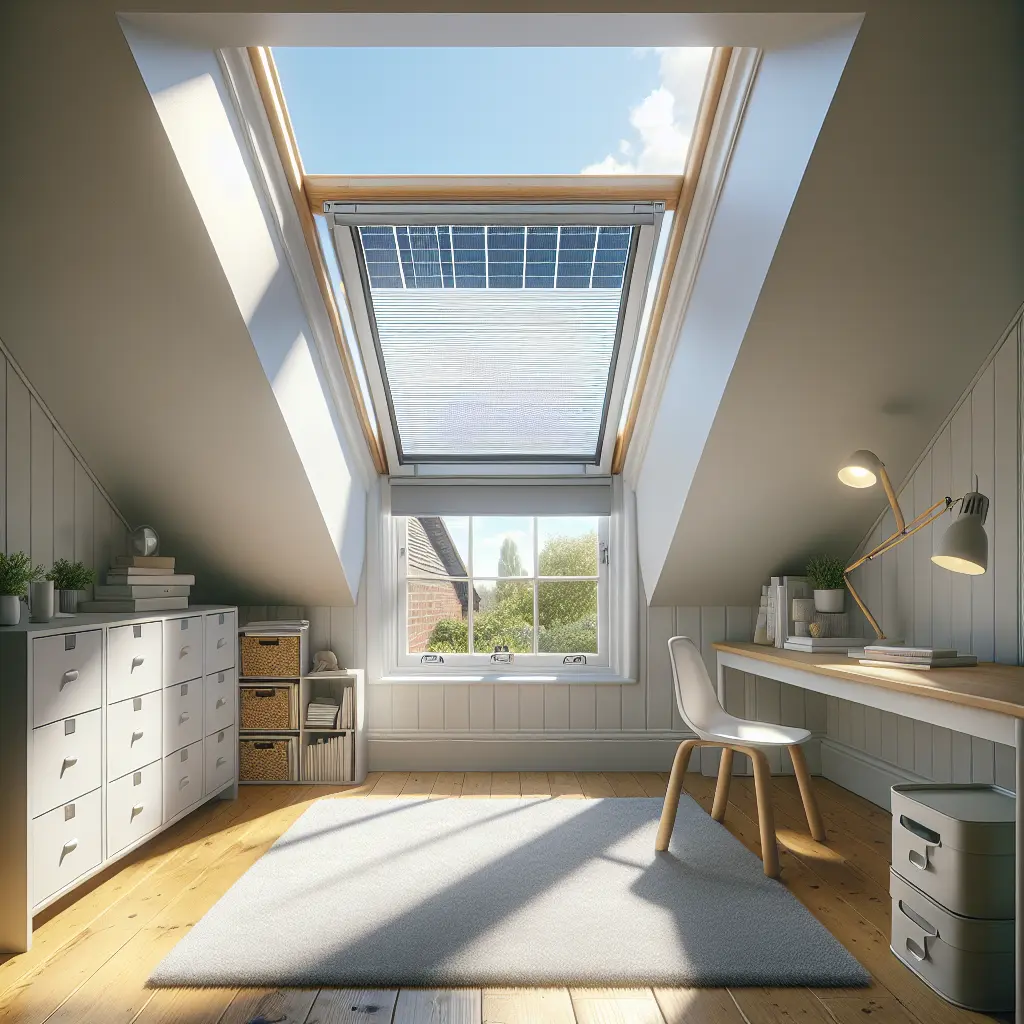
Battery-powered motors sit inside the tube and recharge via a small port or removable pack. They’re ideal for finished rooms and rentals where you want no visible wiring. Mains-powered motors are wired into a fused spur or socket; they deliver higher torque and suit large spans, but work best when planned in a refurb or new build. Solar systems use the same internal motor as battery units but are topped up by a discreet panel — useful for sunny conservatories, lofts and hard-to-reach windows. For a local fitting service, see our guide to how our made to measure blinds service works.
Noise And Speed — Day-to-Day Reality
Modern motors are quiet. Expect a soft hum rather than a mechanical clatter. Mains motors tend to offer a touch more torque, which keeps speed steady on wider or heavier fabrics. Solar and battery motors sound the same because the motor is identical; only the charging method differs.
A standard roller of around 1.8 m drop typically moves in 20–30 seconds. A common issue we see is vibration caused by poor brackets or misalignment — precise fitting and quality fixings make the biggest difference to smooth, silent operation. For ways to reduce sound in living spaces, read can blinds reduce noise.
This image was generated with AI and may not always represent the product or service exactly.
Maintenance And Charging: Real-Life Upkeep
Battery motors are low-maintenance. In most homes you’ll charge every 6–12 months; heavy use or large blinds shorten that. Charging takes a few hours via a discreet port and many people keep a spare charger for convenience. Solar panels perform well on south and south-west aspects, and will top up on typical UK daylight — but expect slower charge in deep shade.
Mains systems need no charging; routine care is simply dusting the headrail and wiping fabric. If you choose mains, a qualified electrician should fit and test connections. For fabric care and simple maintenance tips see our cleaning your blinds: a quick guide.
Safety And Compliance: Child Safety And Wiring
Removing cords is one of the clearest safety wins of motorisation — a strong benefit for nurseries and family homes. Controls can be wall-mounted out of reach, and many systems offer lockout modes and timers for predictable behaviour. In our experience, customers value the tidy look as much as the safety gain.
Mains installs must follow Part P and local wiring rules; always instruct a qualified electrician. If you’re unsure what to ask, our surveyors explain spur positions and cable routes before any work begins.
Retrofit Suitability And Installation Scenarios
Battery is usually the fastest, neatest retrofit. It avoids chasing walls and suits rental properties. For renovations and new builds, plan mains spurs during the electrical stage for the most discreet result and best performance on wide spans. Skylights and conservatories favour solar or battery to avoid running cables across glazing runs.
A common scenario we encounter: homeowners who start with batteries and later replace with mains during a kitchen refit. That staged approach keeps disruption minimal while future-proofing the room.
Typical Costs: What To Expect
Costs vary by blind type, size, fabric and controls. As a guide per blind, supplied and fitted: battery rollers and day/night systems typically lie between £220–£450; larger Romans or heavier fabrics sit around £300–£600. Mains options usually range from £260–£550 for most sizes, with very large sets up to circa £800+. Allow £80–£200 for a new spur if an electrician is required. Solar adds roughly £40–£120 to a battery motor; smart hubs cost about £70–£250.
This image was generated with AI and may not always represent the product or service exactly.
Which Option Suits Each Room?
Bedrooms and nurseries: battery or solar for quiet, low-disruption installs. Pair with blackout fabric and timers for better sleep routines. Living rooms and kitchens: choose mains during a refurb for large windows and frequent use; battery works well in finished kitchens to avoid tile and plaster work. Home offices: grouped controls and schedules help manage glare and privacy.
Controls And Smart Home Integration
Handsets and wall switches provide straightforward local control. Add a hub later to unlock apps, voice and schedules; most systems accept a hub retrofit. In our experience, people who set sunrise/sunset scenes get the most consistent benefit from motorisation. Note: very frequent cycling will reduce time between battery charges.
What Most People Get Wrong
Many assume solar won’t work in the UK — but on south-facing and well-lit east/west aspects it typically tops up enough to avoid frequent plug-in charging. The real limiter is heavy daily use and large fabric weight, which often matters more than the energy source.
When This Doesn’t Apply
If you have specialist heritage windows, listed-building restrictions or unusual glazing that prevents secure mounting, standard motorised options may not suit. In these cases, a survey will identify bespoke fixings or alternative shading solutions.
Quick Checklist
- Window orientation: south-facing favours solar
- Room use: frequent cycles → consider mains
- Access and disruption tolerance: retrofit → battery
- Child-safety needs: motorised removes cords
- Ask for an itemised quote including electrical allowance
Our Free Survey And Expert Fitting
On a home visit we check window construction, light, access and recommend battery, mains or solar. We measure precisely, confirm fabrics and controls, then provide a clear, itemised quote that includes any electrician allowance if needed. For a friendly start, see how our made to measure blinds service works or contact us to book a free survey.
FAQs
How do I choose between battery and mains for a wide bay window?
Assess fabric weight and frequency of use. If the blind is very wide or used many times a day, mains gives steadier torque and consistent speed. For occasional use or where you cannot run cables, a high-capacity battery motor will often be sufficient.
Is solar reliable enough for UK weather?
Solar panels top up battery motors on bright and typical daylight days, especially on south or south-west aspects. In deep shade or recessed north-facing bays expect occasional plug-in charging.
If I start with battery can I upgrade controls later?
Yes. Many systems accept smart hubs or wall switches later, so you can begin with a handset and add app, schedule or voice control when ready.
What should I ask an electrician before a mains install?
Confirm they will fit a fused spur, position the spur where it’s discreet, comply with Part P and issue any relevant certification. Ask about cable routes to avoid damage to decoration.
Which daily habits extend battery life?
Limit unnecessary cycles, group blinds where practical, and use schedules rather than manual frequent adjustments. Keeping headrails clean and aligned also reduces motor load.