 TrustATrader
Why Tilt‑And‑Turn Windows Need Different Blinds
Tilt‑and‑turn windows open inwards, so many standard blinds snag, rattle, or block the handle. The answer is a blind that moves with the sash and stays close to the glass. Drill‑free systems made for uPVC clip neatly to the glazing bead, keeping everything tidy and safe when you tilt for air or fully turn to clean.
We’re Best Blinds, a family‑run team with 25+ years of measuring and fitting. We offer free home visits, clear advice, and careful installation. Learn more about us, and browse our latest guides on the blog. This article covers the best drill‑free and guided options, plus measuring quirks and fitting tips for new builds.
How Tilt‑And‑Turn Frames Open — And How Blinds Must Move
In tilt mode, the top of the sash opens inwards for ventilation while keeping rain out. In turn mode, the sash swings in on side hinges for full access, cleaning, and emergency egress. Any blind fitted on the wall or frame face can clash with these arcs or the handle.
uPVC glazing beads, rubber gaskets, and trickle vents need careful measuring. Free‑hanging rollers and venetians can bang around or foul the handle. A guided, tensioned blind solves this and keeps child safety in check with no loose cords. If you’re fitting yourself, start with our step‑by‑step guide: how to install window blinds.
Best Drill‑Free Systems For uPVC: Perfect Fit And INTU
Two proven systems clip to the glazing bead: Perfect Fit and INTU. Both use tiny brackets that slide behind the bead, so there’s no drilling into your uPVC. They sit close to the glass and move with the sash in both modes.
Perfect Fit adds a slim frame around the fabric or slats, guiding the blind and reducing light gaps. It’s ideal for blackout, tidy lines, and homes that want a built‑in look. INTU uses an ultra‑slim headrail and tensioned fabrics for minimal projection, helpful where handles sit close. Explore our Perfect Fit range for pleated, cellular, aluminium Venetian, and Day & Night options.
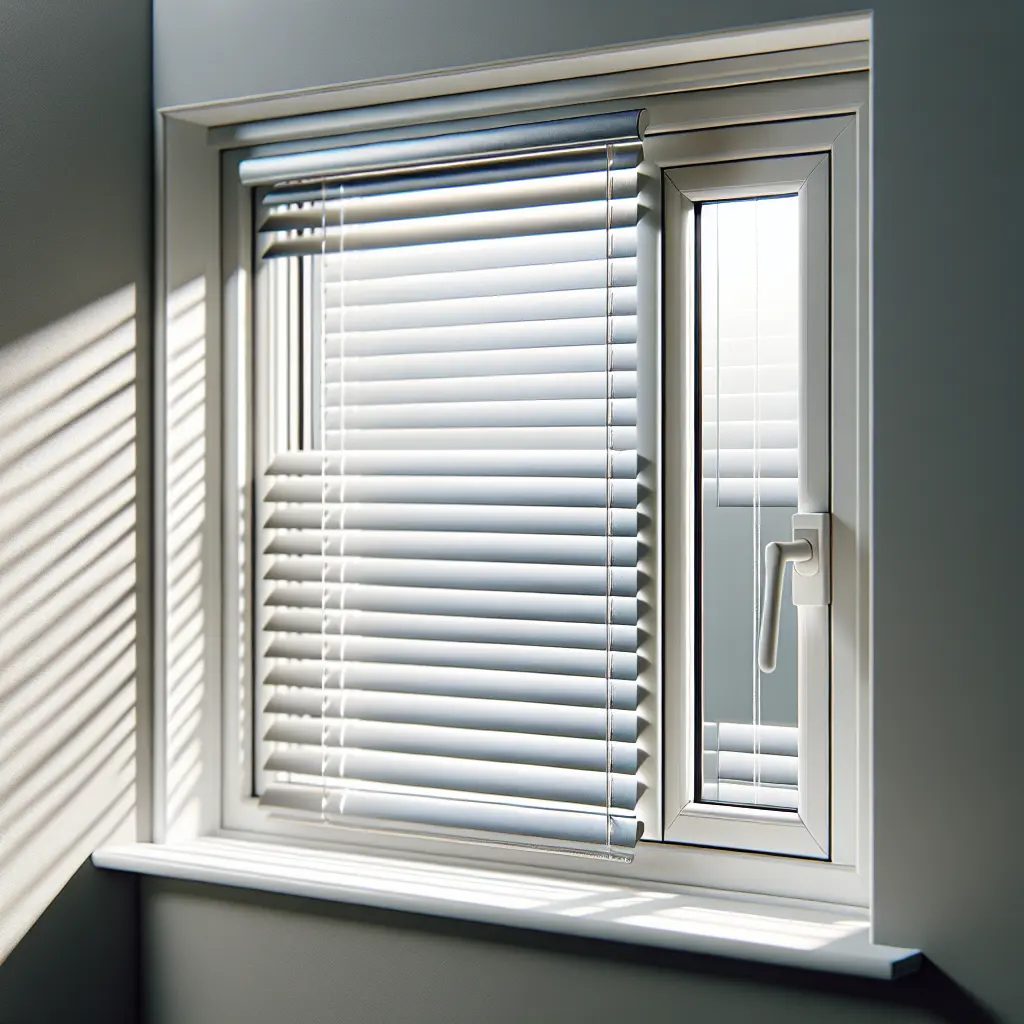
This image was generated with AI and may not always represent the product or service exactly.
Guided And Blackout Options That Actually Stay Put
Guided blinds are best for tilt‑and‑turn windows because the fabric is tensioned and contained. In Perfect Fit, the frame itself acts as the guide, so the blind won’t swing when you tilt for air. Cassette rollers with side channels also work well in deeper reveals where a frame‑fit isn’t suitable.
For near‑blackout, choose Perfect Fit Cellular Blackout fabrics or a cassette roller with side channels. Light‑filtering Day & Night (dual shade) fabrics are great for living areas where you want soft light and privacy. See our advice on blackout blinds and shading to compare options.
Measuring Tilt‑And‑Turn Windows: Bead‑To‑Bead, Depth, And Clearance
Measure the visible glass width and height bead‑to‑bead in millimetres. Measure depth too: flush, 10 mm, 15 mm, or 18–22 mm are common in new builds. Note bead shape (square or angled), and check which side the hinges are on.
Next, check handle projection and any trickle vents at the head. The blind must clear the handle and clips must sit behind the bead without pinching seals. Measure each sash separately and at three points for accuracy. We provide a free professional survey to confirm sizes and suitability before you order.
Fitting Tips For A Clean, Drill‑Free Install
Fit clip brackets evenly. Ease them behind the bead without disturbing the gasket, then seat the headrail or frame. Take your time and keep the sash closed while clipping. Once fitted, check the fabric tension so the blind holds position when you tilt.
All tensioned systems we supply are child‑safe by design and comply with EN 13120. Always test tilt and full turn with the blind operating to confirm no fouling on handles or hinges. If you’re new to this, our guide to fitting is a good start: how to install window blinds.
Room‑By‑Room Picks For Tilt‑And‑Turn Windows
Bedrooms: Perfect Fit Cellular with blackout fabrics for darkness and warmth. For children’s rooms, choose cord‑free, tensioned designs for safety and durability.
Kitchens and bathrooms: Perfect Fit Aluminium Venetian or moisture‑resistant pleated fabrics for steam and easy wipe‑down. Home offices: Pleated or Day & Night fabrics to control glare on screens. Lounges: Dual Shade styles for soft daylight and privacy, with frames matched to your uPVC.

This image was generated with AI and may not always represent the product or service exactly.
Motorisation: When It Works With Tilt‑And‑Turn
Most Perfect Fit and INTU blinds are manual and child‑safe by design. Motorised options tend to suit reveal‑fit cassette rollers on panes you mostly tilt, fixed windows, or doors. A face‑fixed roller can clash if you fully turn the sash.
If you want remote or app control, we’ll assess reveal space, battery access, and safe cable routing during a survey. Quiet battery motors are ideal for hard‑to‑reach windows and larger panes. We’ll advise what’s feasible and what will last.
Costs, Lead Times, And Honest Value
Made‑to‑measure drill‑free systems cost more than basic ready‑mades, but they fit better, last longer, and perform properly on tilt‑and‑turn frames. Expect price bands that reflect fabric type: pleated/cellular, aluminium venetian, or Day & Night.
Supply‑only can save if you’re confident fitting; fully fitted adds professional measuring, installation, and aftercare. For a fair comparison, see our made to measure vs ready made blinds value guide. We offer quick lead times and bundle savings for new builds.
Care, Maintenance, And Longevity
Lightly vacuum pleated and cellular fabrics with a brush attachment. Wipe aluminium Venetian with a microfibre cloth. Spot‑clean stains as per fabric guidance and avoid harsh chemicals.
When tilting or turning, move the sash slowly. Support the bottom bar if needed to keep everything aligned. Tension can be tweaked and parts replaced if ever required. We offer practical aftercare and sensible repairs that keep your blinds working for years.
FAQ: Tilt‑And‑Turn Blinds
Most handles remain accessible with the right profile and placement. We specify low‑projection systems so your window can still tilt and turn as intended. For tailored advice, book a free survey.
FAQs
Can I Fit Blinds Without Drilling My uPVC Frames?
Yes. Perfect Fit and similar clip‑fit systems slide behind the glazing bead, so there’s no drilling into your frames. They’re neat, removable and warranty‑friendly for new builds.
Will The Blind Block My Window Handle?
With the correct system and frame depth, no. We choose low‑projection options and check handle clearance during survey to ensure smooth operation.
Do These Blinds Give True Blackout?
For near‑blackout, choose Perfect Fit frames with blackout cellular fabrics or a cassette roller with side channels. Light gaps are minimised so bedrooms stay dark.
What If I Have Trickle Vents Or Deep Gaskets?
We fit clips to sit behind the bead without pinching seals and check clearances around vents. A survey confirms the best product and bracket positions.
How Long Does Installation Take?
Most windows take around 20–30 minutes once surveyed. Larger or shaped panes take longer. We test tilt and turn movement before we leave.
How Do I Get A Quote?
Book a free home visit. We bring samples, measure each sash, and provide a clear, no‑pressure quote. Get started via contact us.
Book Your Free Home Visit And Quote
We keep things simple. We check bead depth and clearances, talk through styles and colours, and leave you with an honest, no‑pressure quote. Lead times are quick, installs are tidy, and we respect new‑build warranties by avoiding drilling where possible.
Ready to get started? Get in touch via contact us. Want more inspiration first? Browse our ranges and recent projects on the blog. We look forward to helping you choose blinds that work beautifully with your tilt‑and‑turn windows.